BEIJING, China, August 28, 2026 – Cygnus Biosciences joined leading scientists and genomics pioneers at the “25 Years of the Human Genome” International Symposium, held August 24–25 in Beijing. Marking 25 years since the publication of the first draft human genome, the symposium brought together more than 30 leading scientists, including 15 members of national academies, to review major advances in genome sequencing and genomics over the past quarter century and discuss the scientific and technological directions shaping the future of the field.


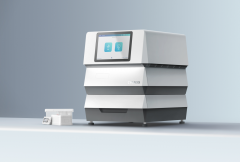
At this milestone gathering, Cygnus showcased its proprietary LumoSeq technology and shared its latest thinking on the future of sequencing through a keynote presentation and panel discussion. From LumoSeq fluorogenic chemistry technology and LoopChip reusable flow cell technology to multidimensional sequencing, Cygnus highlighted how advances in sequencing could help reduce costs, expand the dimensions of biological information that can be captured, and enable a more comprehensive understanding of biological systems.
In the opening remarks, Prof. Sunney Xie, Academician of the Chinese Academy of Sciences, Director of Changping Laboratory and Co-founder of Cygnus Biosciences, highlighted how advances in genomics have enabled increasingly accurate and affordable personal whole-genome sequencing, as well as genome, transcriptome, and epigenome profiling at single-cell resolution. Precision medicine applications such as preimplantation genetic testing and multi-cancer early detection are also moving steadily toward broader implementation.

Prof. Sunney Xie delivering opening remarks
01 The Evolution of Fluorogenic DNA Sequencing
Prof. Yanyi Huang, Professor at Peking University and Co-founder of Cygnus Biosciences, delivered a keynote presentation entitled “The Evolution of Fluorogenic DNA Sequencing,” highlighting the evolution and latest advances of Cygnus’ fluorogenic sequencing technology.

Prof. Yanyi Huang delivering the keynote presentation “The Evolution of Fluorogenic DNA Sequencing”
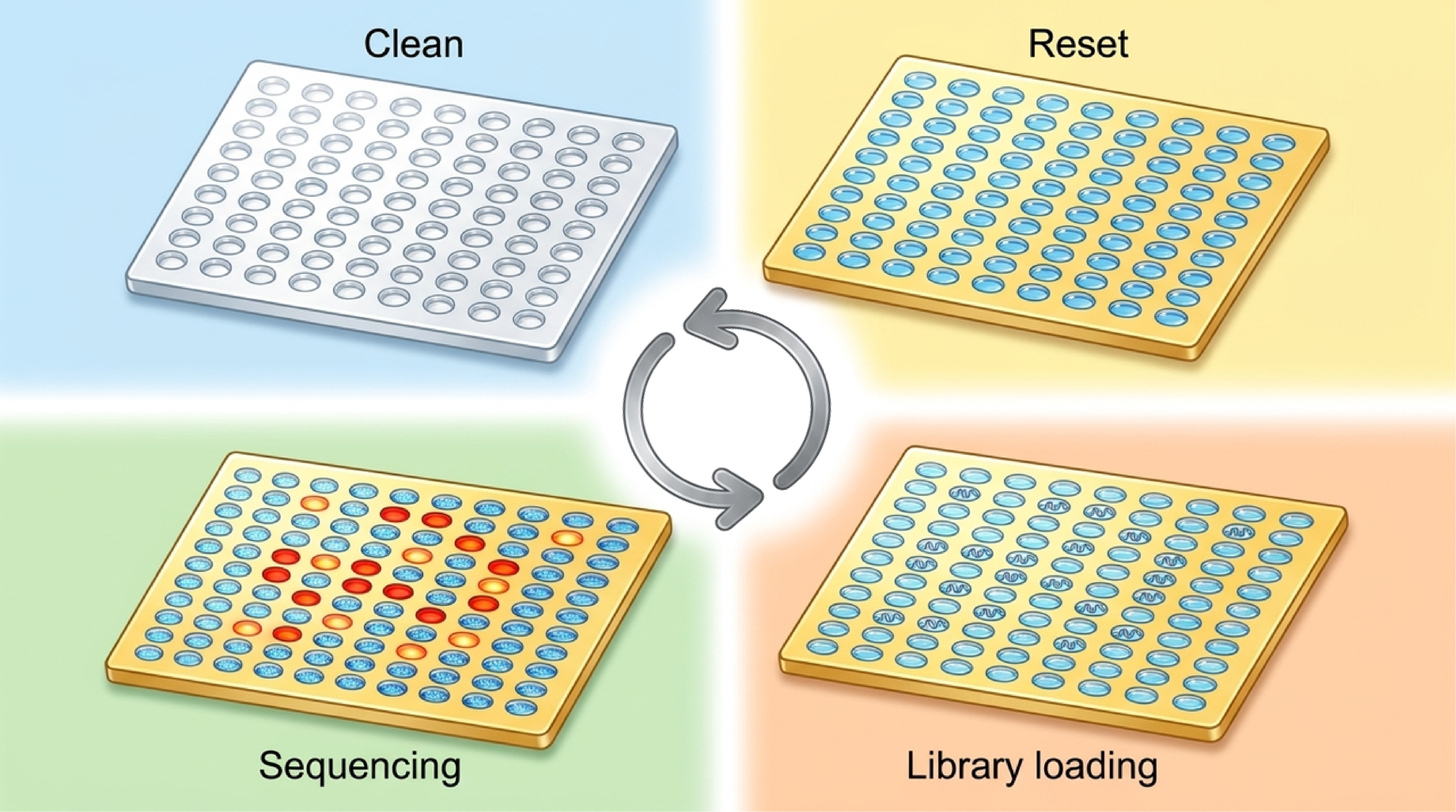
One of the key advances presented was LoopChip flowcell regeneration technology, developed on Cygnus’ proprietary LumoSeq sequencing chemistry platform. Designed to address the cost of sequencing consumables, LoopChip enables sequencing flow cells to be thoroughly cleaned and functionally reset for repeated sequencing runs.
Systematic stability testing showed no significant difference in sequencing performance between regenerated and new flow cells, demonstrating strong compatibility between LumoSeq chemistry and flow cell reuse. By extending the usable life of sequencing flow cells, the technology has the potential to significantly reduce per-sample and whole-genome sequencing costs.
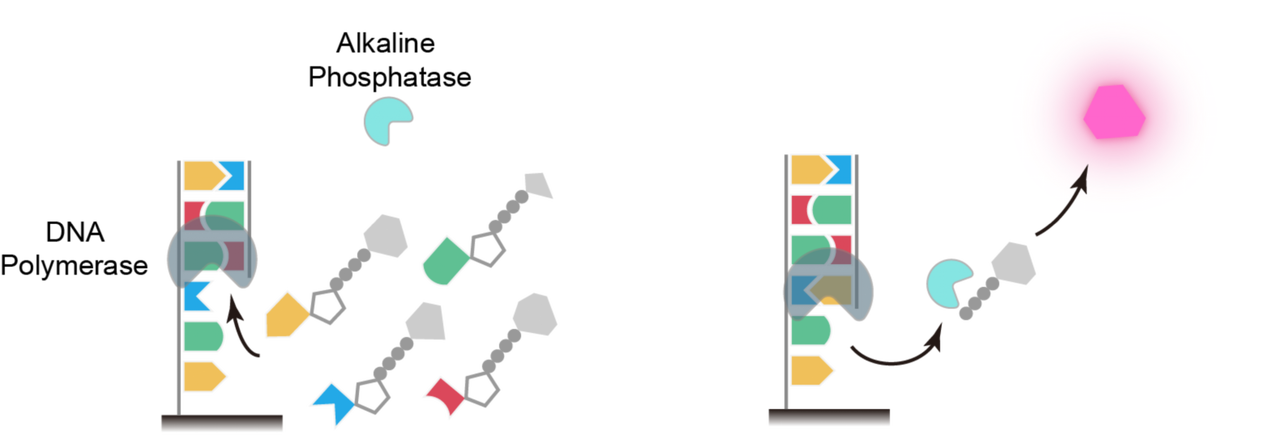
Prof. Huang also introduced Cygnus’ advances in fluorogenic substrate design. The system uses a single fluorescence excitation and single-signal detection architecture. Based on proprietary fluorophore scaffolds, four fluorescent molecules with similar excitation and emission ranges but different quantum yields enable accurate discrimination of the four DNA bases using a simplified optical system.
The substrates are highly compatible with Cygnus’ AttoSeal microfluidic technology, which can seal tens of billions of microwells on a single chip within seconds. The proprietary microfluidic chip also provides high surface-chemistry stability, supporting more than a thousand sequencing cycles.
Together, these innovations form an integrated sequencing architecture that combines high accuracy, efficient reaction control, simplified optical detection, and reusable flow cells, helping improve sequencing economics while maintaining reliable performance.
02 From Sequencing Data to Biological Information
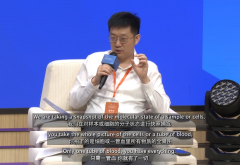
During the “Genomic Sequencing Revolution” panel chaired by Prof. Zemin Zhang, Dr. Zitian Chen, Co-founder and CEO of Cygnus Biosciences, joined Dr. Jonathan Rothberg, founder of 454 Life Sciences and Ion Torrent, and Prof. Hagan Bayley of the University of Oxford for an in-depth discussion on the future of sequencing.
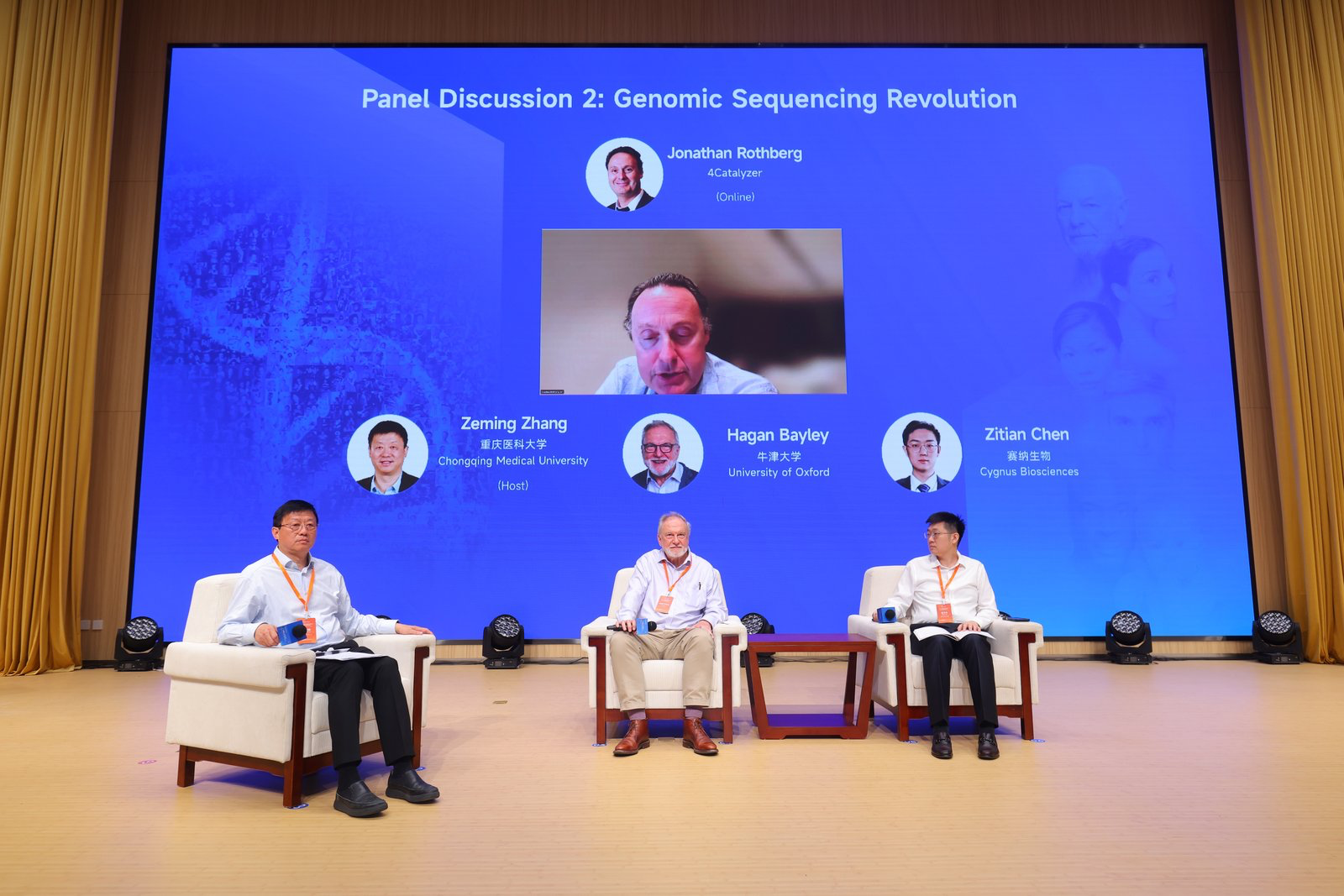
Dr. Zitian Chen participating in the “Genomic Sequencing Revolution” panel discussion
Dr. Chen noted that the continuous evolution of sequencing technologies has generated enormous volumes of life science data, providing a critical foundation for biological research and a valuable data resource for innovation in artificial intelligence. Genomic sequencing data now account for approximately 1% of newly generated global data storage, while their analysis and interpretation consume nearly 1% of global computing capacity, highlighting the growing scientific and industrial value of genomic data.
He also introduced Cygnus’ current focus on multidimensional sequencing from a single sample, with the goal of enabling simultaneous single-cell multi-omics profiling.
“The future of genomic sequencing will no longer be simply about reading sequences, but about capturing a comprehensive snapshot of the molecular state of cells and biological samples,” Dr. Chen commented.

As sequencing costs continue to decline and AI-driven analysis advances, this shift could transform sequencing from a tool for generating sequence data into a platform for capturing, preserving, and interpreting multidimensional biological information. Richer raw datasets could also be revisited as algorithms evolve, enabling researchers to uncover biological insights that may not have been accessible when the data were first generated.
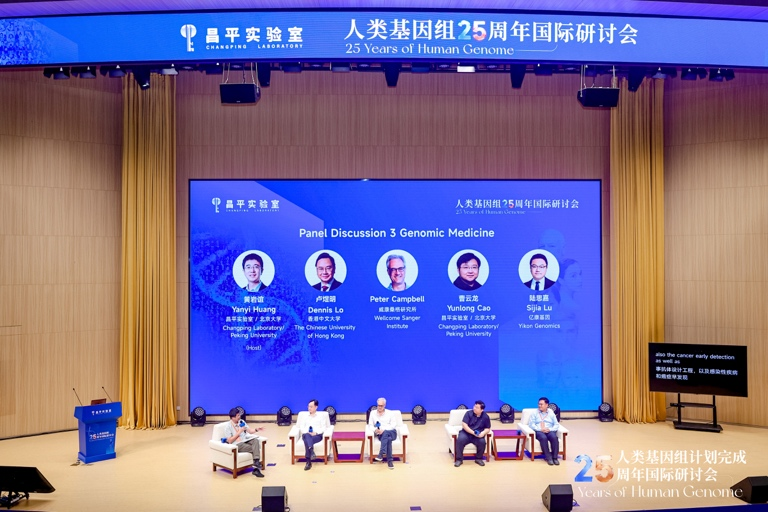
03 Global Perspectives on the Future of Genomics
Beyond sequencing technology itself, the symposium brought together perspectives from across genomics, medicine, biotechnology, and computational biology, reflecting how the field has expanded since the publication of the first draft human genome 25 years ago. Leading scientists and experts from across the global genomics community included:
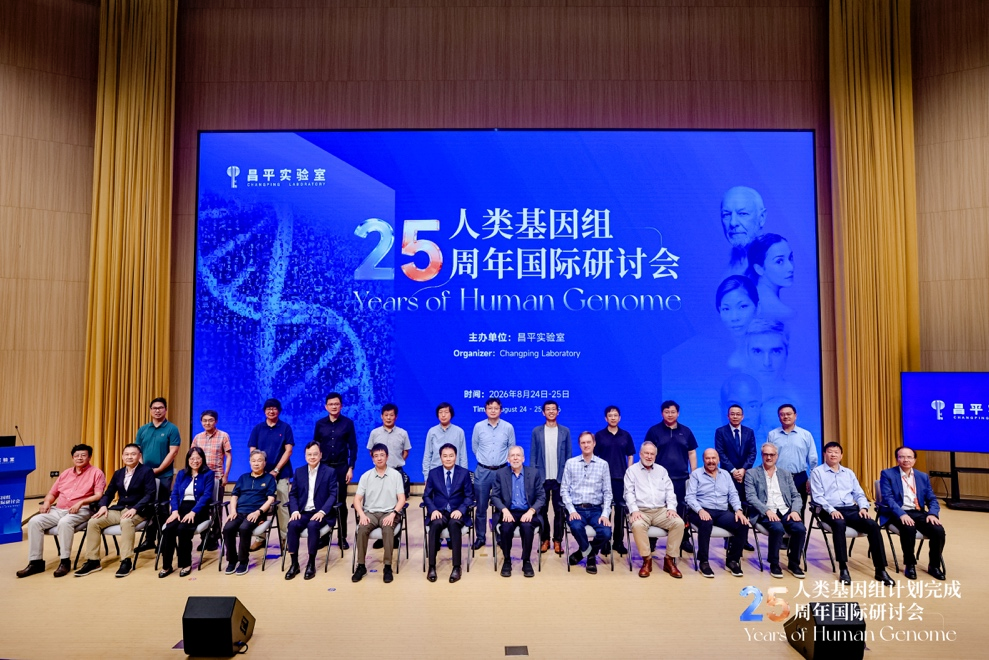
Today, sequencing continues to evolve toward lower costs and the ability to capture increasingly comprehensive biological information. Looking ahead, Cygnus Biosciences will continue advancing its core sequencing technologies to make high-quality genomic data more accessible and enable a deeper understanding of biology and human health.