Listeria monocytogenes is an important foodborne pathogen. Although neonatal listeriosis is relatively uncommon, it can cause severe infections, including sepsis and meningitis, with clinical presentations varying considerably among affected neonates.
While host and perinatal factors are known to influence disease severity, the strain-level genetic characteristics of L. monocytogenes represent another important area of investigation. Understanding differences in genetic backgrounds and virulence gene profiles may provide further insights into the heterogeneity of clinical isolates.
Whole-genome sequencing offers a powerful approach for investigating these differences at the genomic level, enabling strain typing, virulence gene profiling, and phylogenetic analysis.
Researchers from Children’s Hospital of Hebei Province and collaborating institutions recently published a study in Frontiers in Microbiology, titled “Differential virulence gene carriage in Listeria monocytogenes strains from neonatal sepsis: insights from whole-genome sequencing of a multicenter cohort.”
Based on a multicenter neonatal sepsis cohort across 23 hospitals in Hebei Province, the study used the Cygnus Biosciences GS100 sequencing platform for whole-genome sequencing (WGS) of clinical L. monocytogenes isolates. By integrating MLST, virulence gene profiling, and core genome SNP phylogenetic analysis, the researchers characterized the genetic backgrounds of the isolates and examined virulence gene carriage in relation to phylogenetic lineage.

- Study population: A multicenter neonatal sepsis cohort across 23 hospitals in Hebei Province.
- Sample size: Eleven culture confirmed cases of neonatal L. monocytogenes sepsis were identified, of which four clinical isolates were available for WGS.
- Sequencing and analysis: PE150 whole-genome sequencing on the Cygnus Biosciences GS100 platform, followed by de novo genome assembly, MLST, virulence gene annotation, and core genome SNP phylogenetic analysis.
- Clinical characteristics: All four sequenced cases presented as early onset sepsis within 1 to 48 hours after birth, including three with symptom onset within 24 hours. Three were preterm infants; all required respiratory support, and three received invasive mechanical ventilation. Two cases developed septic shock, with one also presenting with purulent meningitis and intracranial hemorrhage. The nSOFA scores were 4, 7, 2, and 2.
- Sequencing performance: Mean sequencing depth ranged from 146× to 350× across the four isolates.
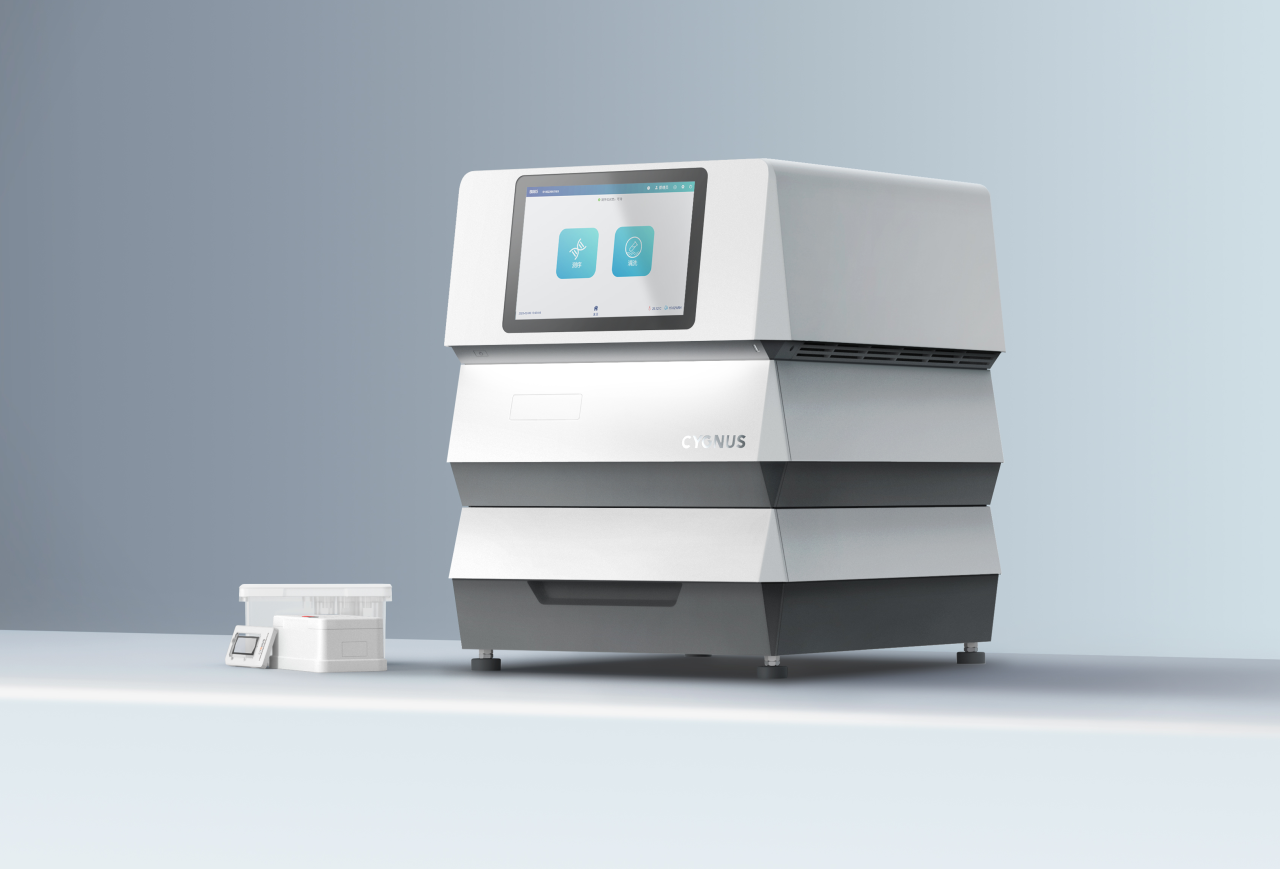
Cygnus GS100 Sequencer
Key Findings
01 WGS Reveals Differences in Virulence Gene Carriage among Clinical Isolates
WGS and MLST analysis identified distinct genetic backgrounds among the four clinical L. monocytogenes isolates. Cases 1 and 2 were classified as ST1/CC1/Lineage I, Case 3 as ST155/CC155/Lineage II, and Case 4 as ST121/CC121/Lineage II.
Further analysis of five accessory virulence genes, inlP, actA, auto, vip, and bsh, revealed distinct carriage patterns among the isolates. Case 1 carried inlP and bsh; Case 2 carried all five genes; Case 3 carried none of the five genes; and Case 4 lacked actA, auto, and vip.
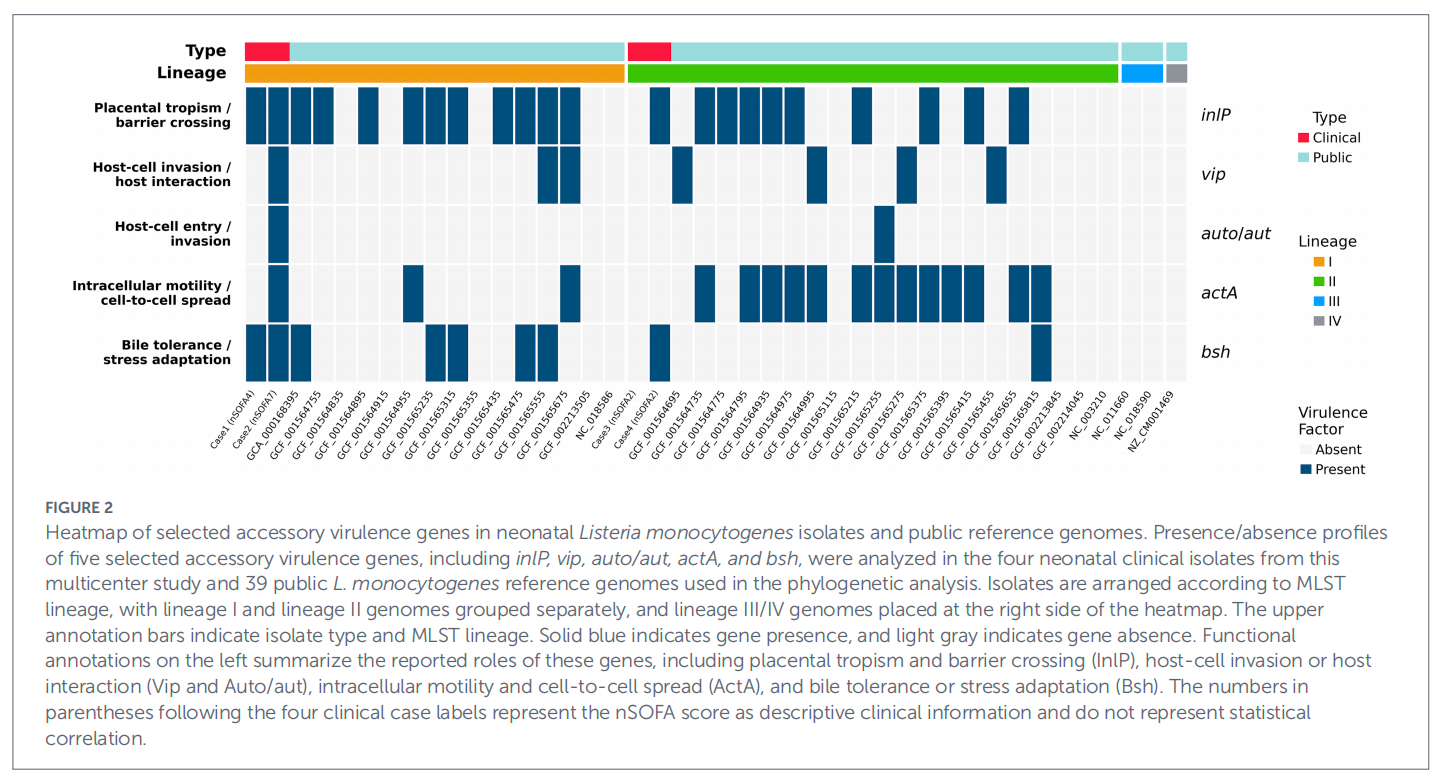
Figure 2. Accessory virulence gene profiles of clinical isolates and public reference genomes
02 Phylogenetic Analysis Reveals Lineage-Associated Virulence Gene Patterns
The four clinical isolates were further compared with 39 public reference genomes using core-genome SNP phylogenetic analysis. Cases 1 and 2 formed a tight cluster close to the CC1 representative genome, while Case 3 clustered most closely with the CC155 representative genome and Case 4 with the CC121 representative genome.
Further analysis showed that actA carriage was significantly associated with Lineage II (p = 0.001), whereas bsh carriage was significantly associated with Lineage I (p = 0.026). These findings suggest that the distribution of some accessory virulence genes is lineage associated, highlighting the importance of phylogenetic context when interpreting virulence gene profiles.
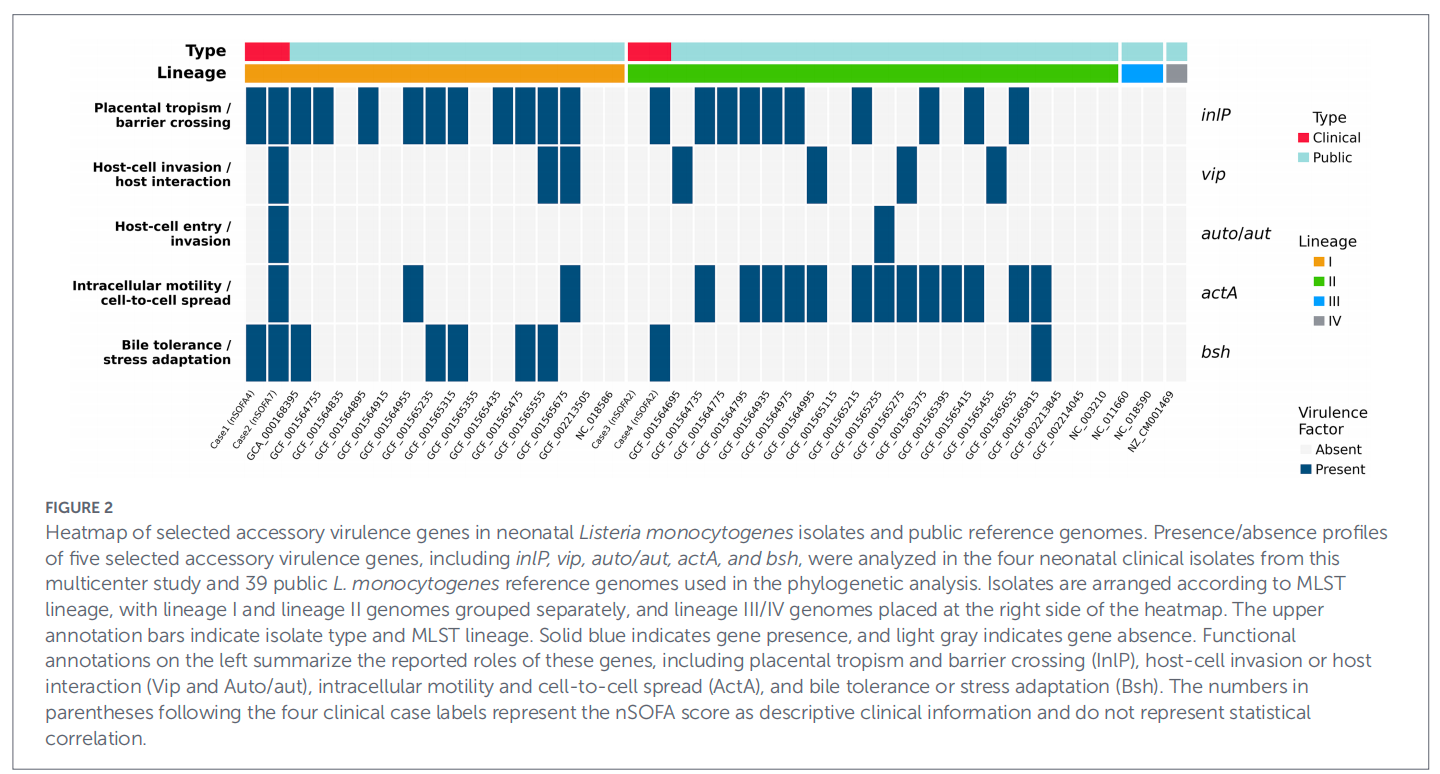
Figure 3. Core-genome SNP phylogeny of the clinical isolates and representative genomes
Insights and Future Directions in Pathogen Genomics
Across the four clinical isolates, core virulence determinants involved in adhesion, invasion, motility, and stress survival were conserved, while differences were observed in selected accessory virulence genes.
This study demonstrates the value of integrating strain typing, virulence gene profiling, and phylogenetic analysis to characterize the genomic diversity of clinical L. monocytogenes isolates.
In this study, the Cygnus Biosciences GS100 sequencing platform was used for PE150 whole-genome sequencing of four clinical L. monocytogenes isolates, supporting de novo genome assembly, MLST, virulence gene annotation, and core genome SNP phylogenetic analysis.
Further studies with larger, phylogenetically matched cohorts and functional validation may provide deeper insights into potential genotype phenotype relationships.
Read the full paper: https://www.frontiersin.org/journals/microbiology/articles/10.3389/fmicb.2026.1869258/full